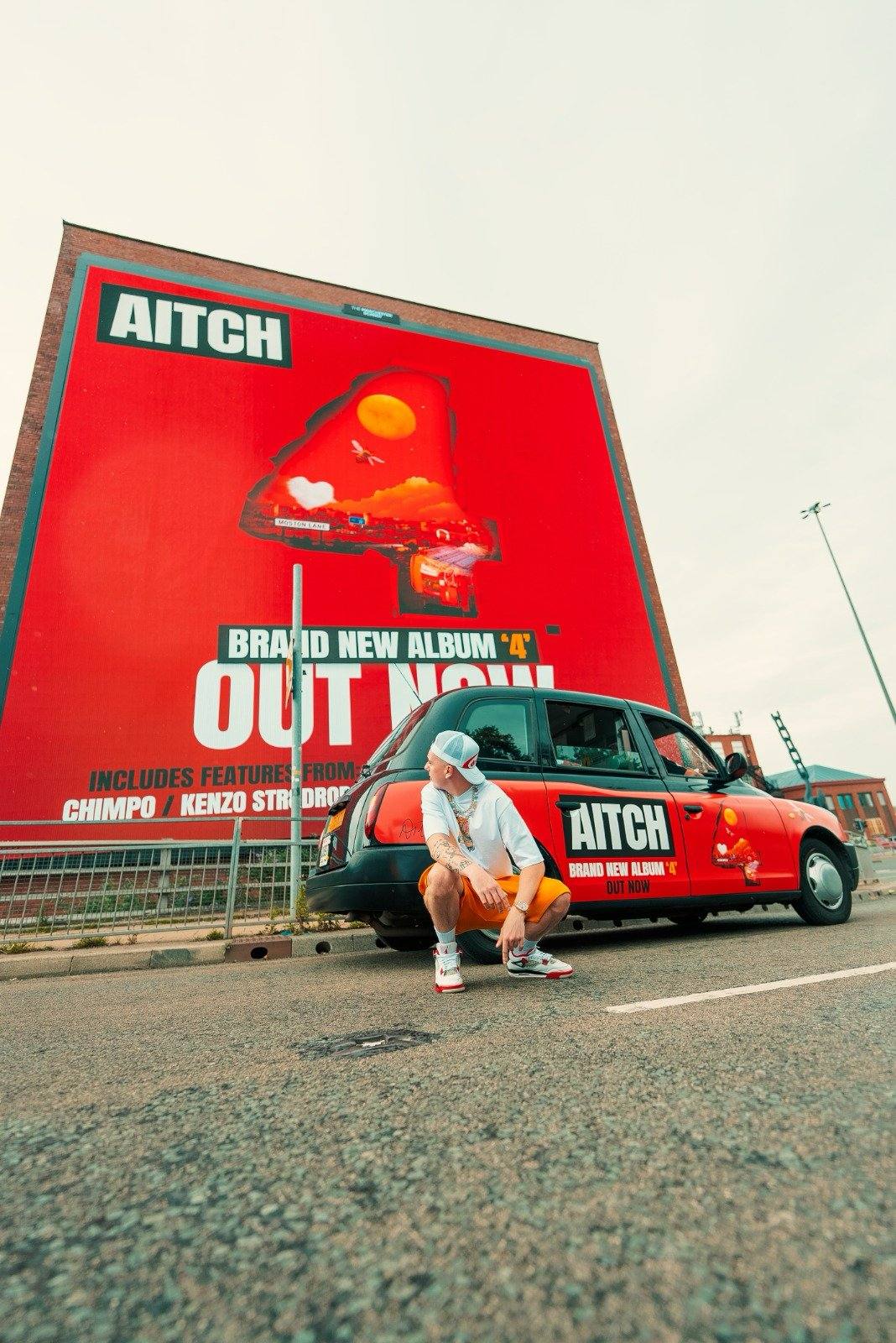
No other category gets more from OOH advertising than music. The reasons are structural, not coincidental.
Music campaigns have tight windows, intense audience engagement and a fanbase that actively wants to share evidence of their connection to an artist. A well-placed billboard for a new album is not just media. It is content. Fans photograph it, post it, tag the artist. The paid placement generates organic reach that multiplies the campaign's footprint beyond what the media buy alone would deliver.
We have planned and bought OOH for Atlantic Records, Universal Music, Sony Music, Warner Music and independent labels. The same principles apply every time.
The release window is everything
Music campaigns run to tight deadlines in a way that most brand advertising does not. A single goes live on a Friday. An album drops at midnight. A tour announcement happens and tickets need to sell in 48 hours. OOH has to activate fast and deliver immediate impact.
This is why the format split for music campaigns typically leans heavily toward DOOH and DigiVans rather than traditional print. Digital screens can go live the same week the brief lands. DigiVans can be on the road within days. Print requires longer lead times for artwork production and installation — valuable for sustained campaigns but not always practical for release-day activations.
The Charli XCX BRAT campaign is the clearest example of what release-day DOOH can deliver. Digital screens across London, Manchester, Birmingham and New York activated on release day. DigiVans moved through central London. Over 14 million impressions in 24 hours. The visual — that particular shade of green — was everywhere the audience would be on the most important day of the campaign calendar.
Geography matters more than scale
The instinct on music campaigns is often to go wide — national coverage, maximum reach. For many artists, that instinct is wrong. A hyper-targeted campaign in the five UK cities where an artist's fanbase concentrates will outperform a watered-down national buy every time.
Streaming data tells you where an artist's listeners are. Social listening tells you which neighbourhoods, which venues, which record shops and cultural spaces they frequent. A DigiVan routed through those specific postcodes generates encounters with people who already have a relationship with the artist — and those people will share what they see.
We used this approach for the BEST Cereal launch with Sidemen. Placements within 100 metres of schools in cities where the audience concentrated. Print sites on the routes their fanbase used. The specificity of placement drove conversion in a way a broad national buy would not have.
The formats that work for music
Based on the music campaigns we have run, here is how the formats split by objective:
- Release day activation: DOOH screens and DigiVans. Fast to deploy, flexible creative, generates the social content moment.
- Sustained album campaign: Print formats — 48-sheets and bus supersides in key cities. Frequency builds over the campaign period and drives streaming uplift.
- Tour announcement: Combination of large format print around venue locations and DOOH in transit hubs serving each city on the tour.
- International activation: DOOH in key cities. New York, Los Angeles, Amsterdam. The markets where cultural conversation about music happens and where industry attention is concentrated.
What makes a music OOH campaign land
The campaigns that generate the most organic amplification share three characteristics. First, a strong singular visual. The BRAT green. A striking album cover. One image that reads at a glance and is instantly associated with the artist. Not a collage, not three messages — one thing.
Second, placement in the right environment. The fan who encounters the campaign on their morning commute or outside a venue they frequent has a different response to the fan who sees it on an irrelevant retail park billboard. Proximity to the culture matters.
Third, timing. The campaign needs to be live on the days that matter. Release day. Announcement day. The week tickets go on sale. OOH that runs after the cultural moment has passed is wasted spend. Planning to the exact window is the job.
The case for OOH in the streaming era
Streaming changed music discovery. It did not change the way cultural presence is established. An artist can have 10 million monthly listeners on Spotify and still feel invisible in the real world. OOH corrects that. It takes the streaming numbers and puts them on the street — signals to the wider culture that this artist has weight, has scale, is worth paying attention to.
That credibility is particularly important for breaking artists trying to move from streaming success to mainstream recognition. The physical presence of OOH tells the story that algorithm-driven digital advertising cannot.